
Understanding Roofing: Common Questions About Roofing
- Long run roofing is durable, low maintenance and well suited to New Zealand conditions
- Gable roofs are a classic, practical option with a timeless look
- Mono pitch roofs are a modern choice with clean lines and fewer weak spots
- Roof purlins are structural supports that strengthen and stabilise the roof, and are what the roofing is fixed to
When you’re planning a build or renovation in New Zealand, knowing the basics of roof types and components can help you make smarter decisions. In this guide we explain long run roofing, gable roofs, mono pitch roofs and roof purlins, all in clear, NZ-relevant terms.
What is Long Run Roofing?
Long run roofing is one of the most popular roofing systems used across New Zealand residential, commercial and rural builds. It refers to continuous metal roofing sheets, usually made from pre-painted steel, that run from the ridge of the roof right down to the eaves in long, uninterrupted lengths.
Continuous sheets
Long run roofing panels are custom-cut to length, reducing joints and overlaps, which limits leak points and creates a sleek finish.
Materials
Most long run roofing in NZ is made from high-quality steel coated for durability and weather resistance. Suppliers like Dimond and Steel and Tube offer popular long run roofing profiles and sheet solutions suitable for Kiwi conditions.
Durability and performance
Designed to withstand strong winds, rain, UV exposure and coastal conditions, long run roofs are lightweight, long-lasting and low maintenance, ideal for New Zealand’s varied climate.
Versatility
Available in many profiles, colours and finishes, long run roofing suits classic villa homes or modern architectural designs alike.
Why NZ builders love it: Fewer seams means lower risk of water ingress, faster installation, and a clean aesthetic that works across traditional and modern styles.
What is a Gable Roof?
A gable roof is one of the most classic roof shapes seen in New Zealand homes. It consists of two roof surfaces that slope in opposite directions and meet at a central ridge, forming a triangular “gable” at each end.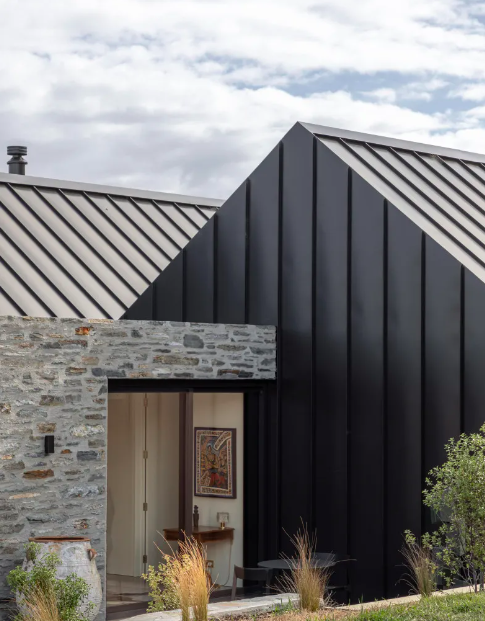
Benefits of a Gable Roof
Simplicity
Its straightforward design makes it less expensive and practical to build.
Weather performance
The shape sheds rainwater effectively and can provide attic space or enhanced ventilation.
Traditional appeal
Gable roofs are visually familiar and suit many architectural styles common in NZ suburbs.
What is a Mono Pitch Roof?
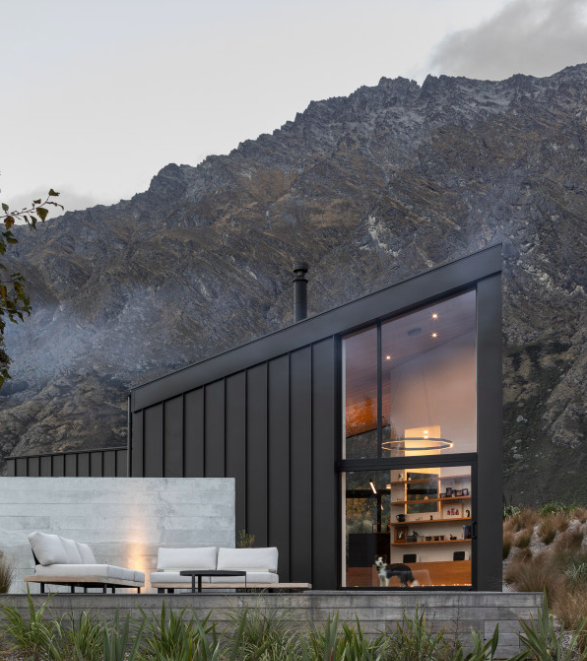
A mono pitch roof (often called a single-pitch or skillion roof in NZ) has just one sloping surface instead of two or more. This creates a contemporary look with a high side and a low side.
Key Characteristics
Single slope
The roof plane slopes in only one direction, making it simpler than traditional dual-sloped roofs.
Modern aesthetic
Often chosen for contemporary homes or additions, mono pitch roofs create striking clean lines.
Effective drainage
The angled surface efficiently directs rainwater toward gutters and downpipes.
Flexible design
The slope angle can be adjusted to suit architectural goals and requirements.
Mono pitch roofs are also used in sheds, garages and extensions where simplicity, efficient drainage and modern appearance are priorities.
What is a Roof Purlin?
Roof purlins are horizontal structural members that help support your roof cladding, whether long run roofing, tiles or other materials. In New Zealand roof construction, purlins typically sit on top of the main roof rafters or trusses and are what the roofing is fixed to.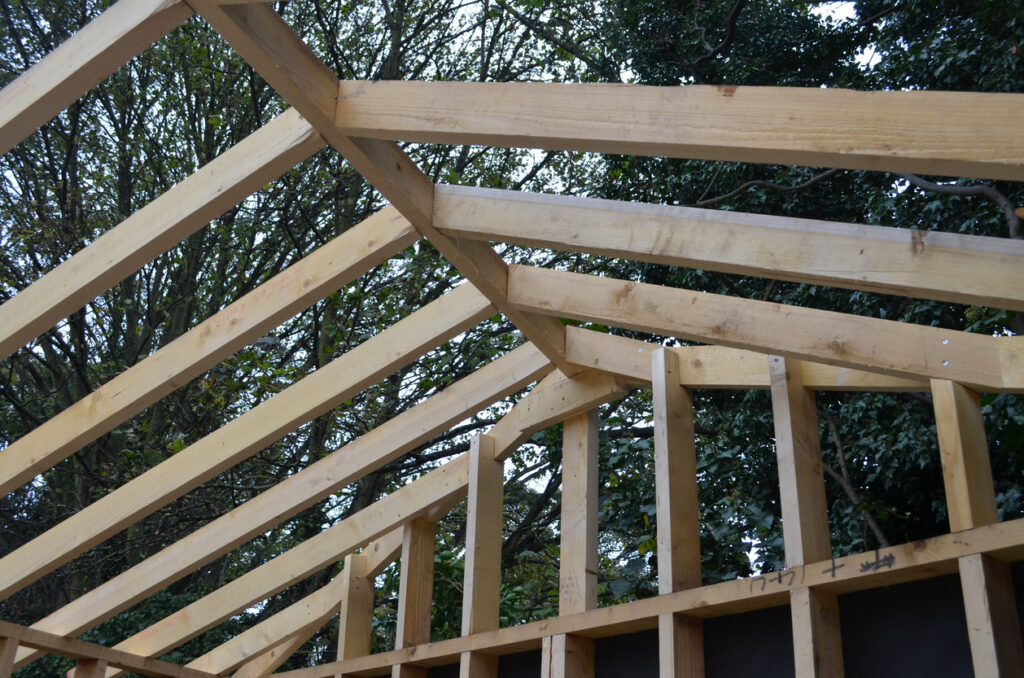
Role of purlins:
Support
They carry the weight of roof sheets and help distribute loads (like wind, rain or snow) evenly across the roof structure.
Spacing
Purlin spacing is designed to match roofing type, but are generally to be spaced no further than 900mm apart.
Materials
In NZ construction, purlins are typically 70x45mm radiata pine.