
Skip to content

How Much Does it Cost to Build a Deck?

  • A professionally built deck in New Zealand can vary significantly in price depending on the size, materials, height and complexity of the build.
  • Treated pine is generally one of the most cost-effective decking options, while hardwood and composite products usually cost more upfront.
  • Elevated decks, stairs, balustrades, difficult site access and complex designs can all increase the overall cost.
  • Decks where it is possible to fall more than 1.5 metres generally require building consent, while barriers are required where the fall is 1 metre or more.
  • Getting the design, materials and layout right from the beginning can help you create an outdoor space that suits both your home and your budget.

Planning a new deck? We break down how much it can cost to build a deck in New Zealand, what affects the price and what to consider when setting your budget.

A well-designed deck can completely change the way you use your home. Whether you’re creating an outdoor entertaining area, extending the living space from your kitchen or lounge, or simply making better use of your backyard, a deck can add both functionality and appeal to a property. But how much should you actually budget?

There isn’t one standard price for building a deck. The final cost depends on everything from the size and decking material to the height, ground conditions, access and overall complexity of the design. Here are some of the biggest factors to consider.

How Much Does a Deck Cost Per Square Metre in NZ?

As a broad guide, professionally built decks in New Zealand can cost anywhere from approximately $500 to $900+ per square metre, with more complex or premium builds potentially costing considerably more. A straightforward ground-level treated pine deck will generally sit towards the lower end of the scale, while hardwood, composite or elevated decks with stairs and balustrades will cost more.

For example, a simple 20m² deck could potentially cost somewhere around $7,000 – 18,000+, depending on the design, materials and site. These figures should only be used as a starting point. Deck pricing can vary considerably between projects, so the best way to understand your budget is to have the site and proposed design assessed by a builder.

What Affects the Cost of Building a Deck?

Two decks with exactly the same floor area can have very different construction costs. The square metres are only one part of the equation. Some of the biggest factors affecting the cost include:

  • Decking material
  • Overall size
  • Height above the ground
  • Ground conditions
  • Site access
  • Stairs and balustrades
  • Shape and design complexity
  • Existing structures that need to be removed
  • Building consent or resource consent 
  • Additional features such as built-in seating, privacy screens or pergolas

Understanding these factors early can help you make better decisions about where to spend your budget. So, let’s break down the key factors below.

1. Your Choice of Decking Material

The decking material you choose can have a significant impact on the overall cost of your deck. Treated pine is generally the most budget-friendly option, while hardwoods and composite decking come with a higher upfront cost but may offer greater durability or lower maintenance over time. Here’s how some of the most popular decking materials in New Zealand compare.

Treated Radiata Pine

Indicative cost: Around $180-$250 per m²
Expected lifespan: Approximately 15–25 years with appropriate maintenance

Treated pine is one of the most affordable and commonly used decking materials in New Zealand. It can be stained, painted or left to naturally weather, making it a practical choice if you’re looking to create a larger deck while keeping material costs down.

It does require more ongoing maintenance than some premium options, including regular cleaning and periodic staining or oiling.
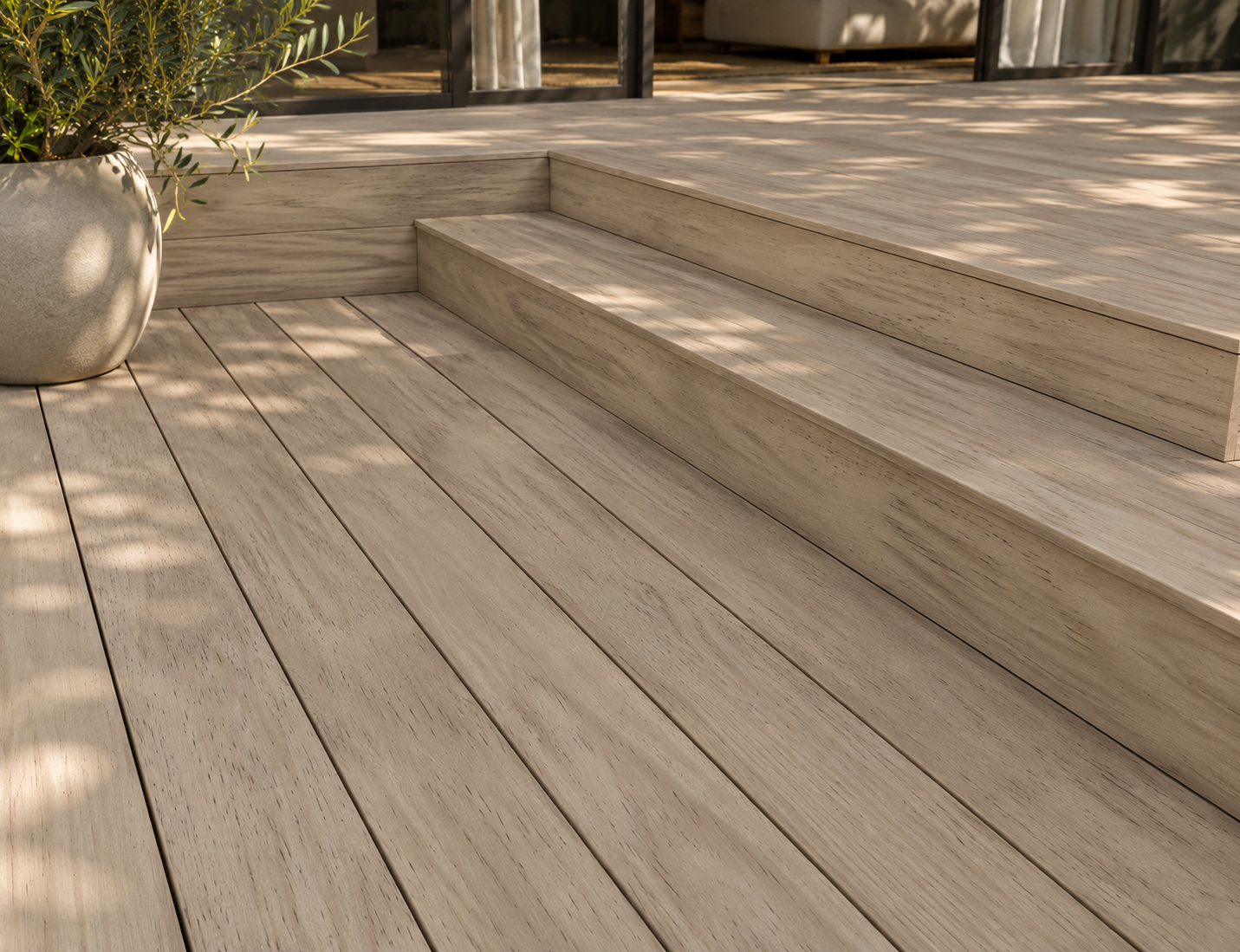
Kwila

Indicative cost: Around $280-$400+per m²
Expected lifespan: Approximately 25–40+ years

Kwila is a popular hardwood with a rich reddish-brown appearance. It costs more upfront than treated pine but offers excellent durability and can create a more premium finish.

New Kwila can release tannins when wet, so this also needs to be considered when installing it around surrounding surfaces.
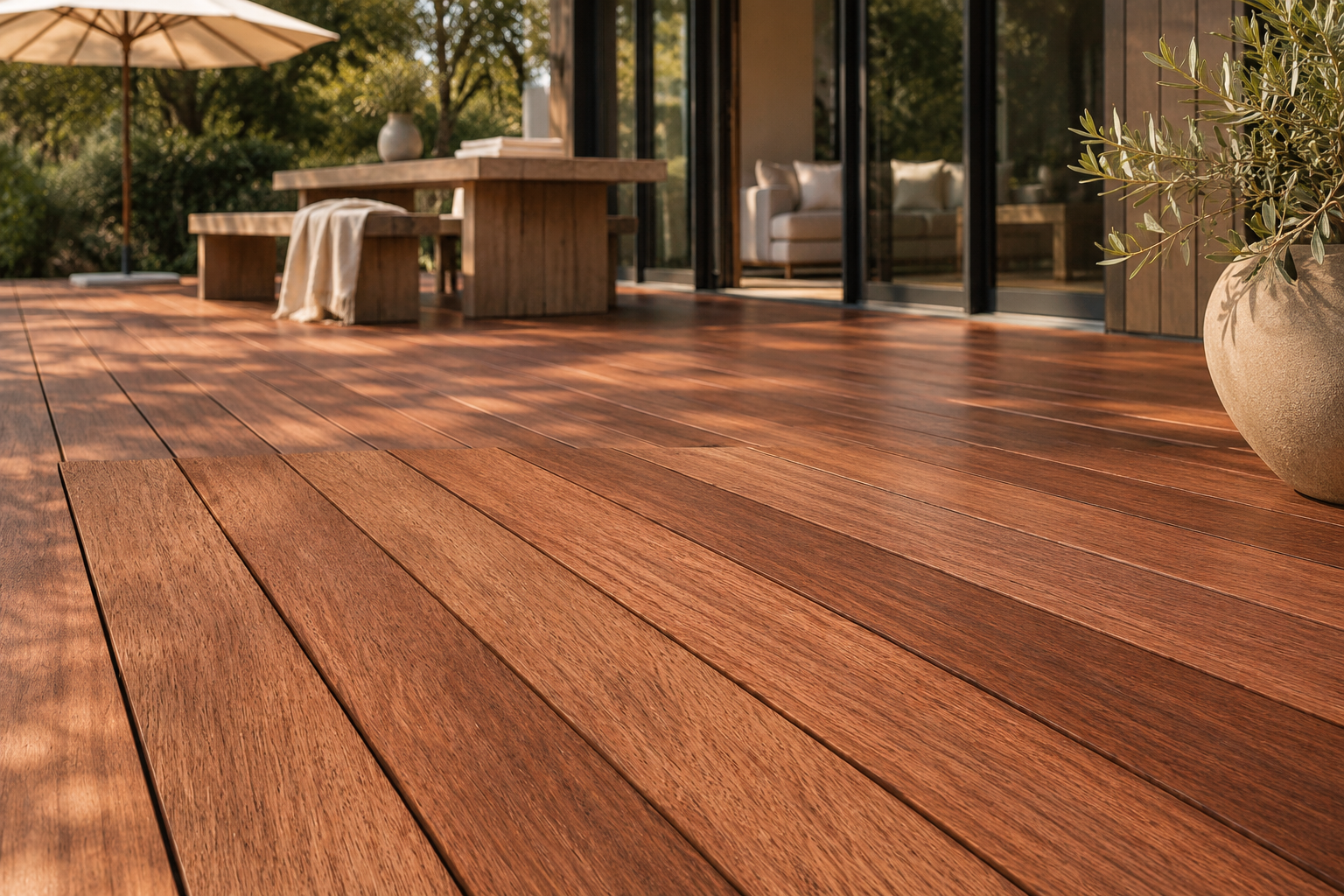
image via: It NZ

Garapa

Indicative cost: Around $280 and $600+ per square metre
Expected lifespan: Approximately 25+ years

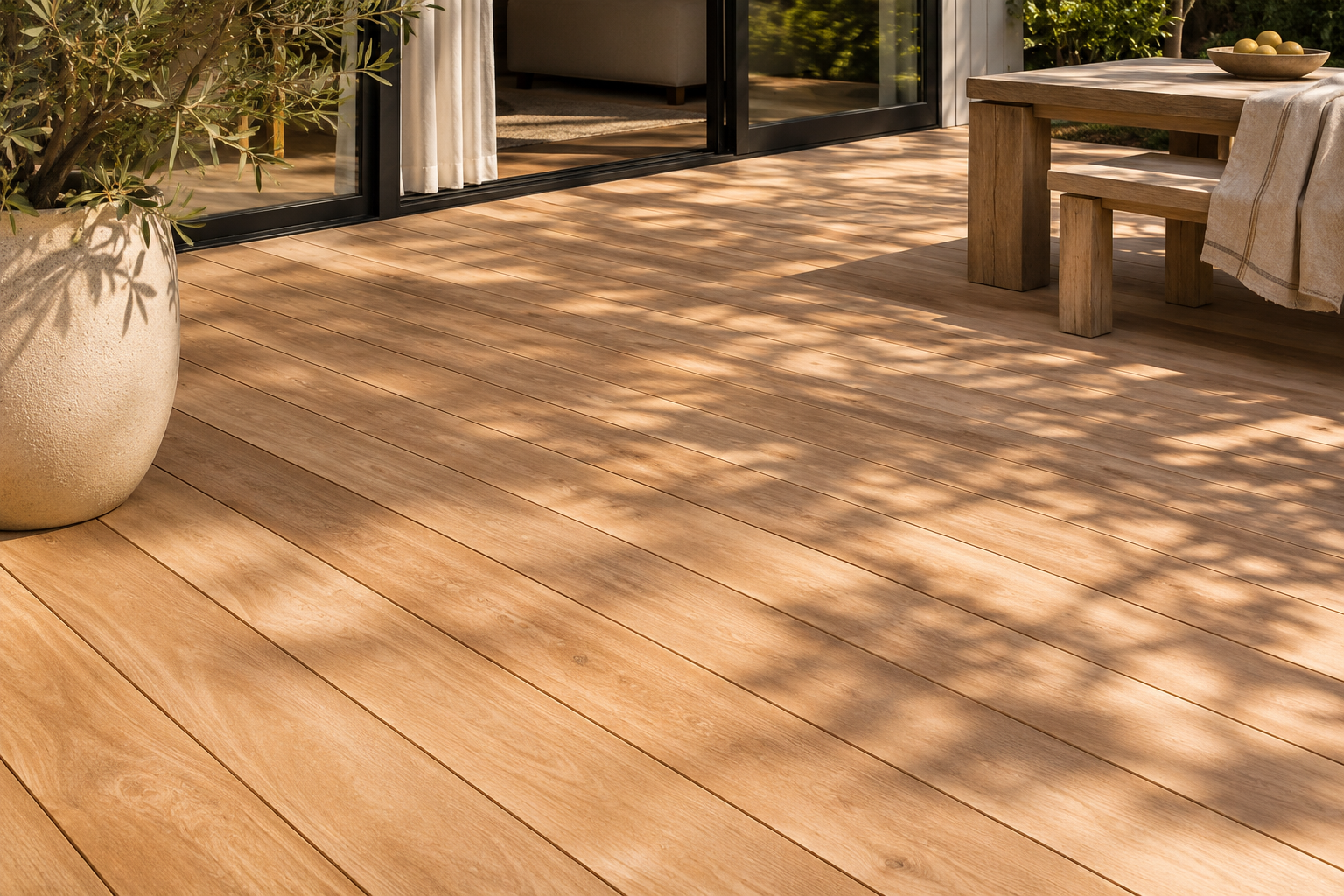
Garapa is a durable hardwood with a warm honey-brown colour and smooth grain. It generally sits above treated pine in price and is worth considering if you’re prepared to invest more in the material for a premium, contemporary finish.
Vitex

Indicative cost: Around $280 to $450+ per square metre
Expected lifespan: Approximately 25+ years

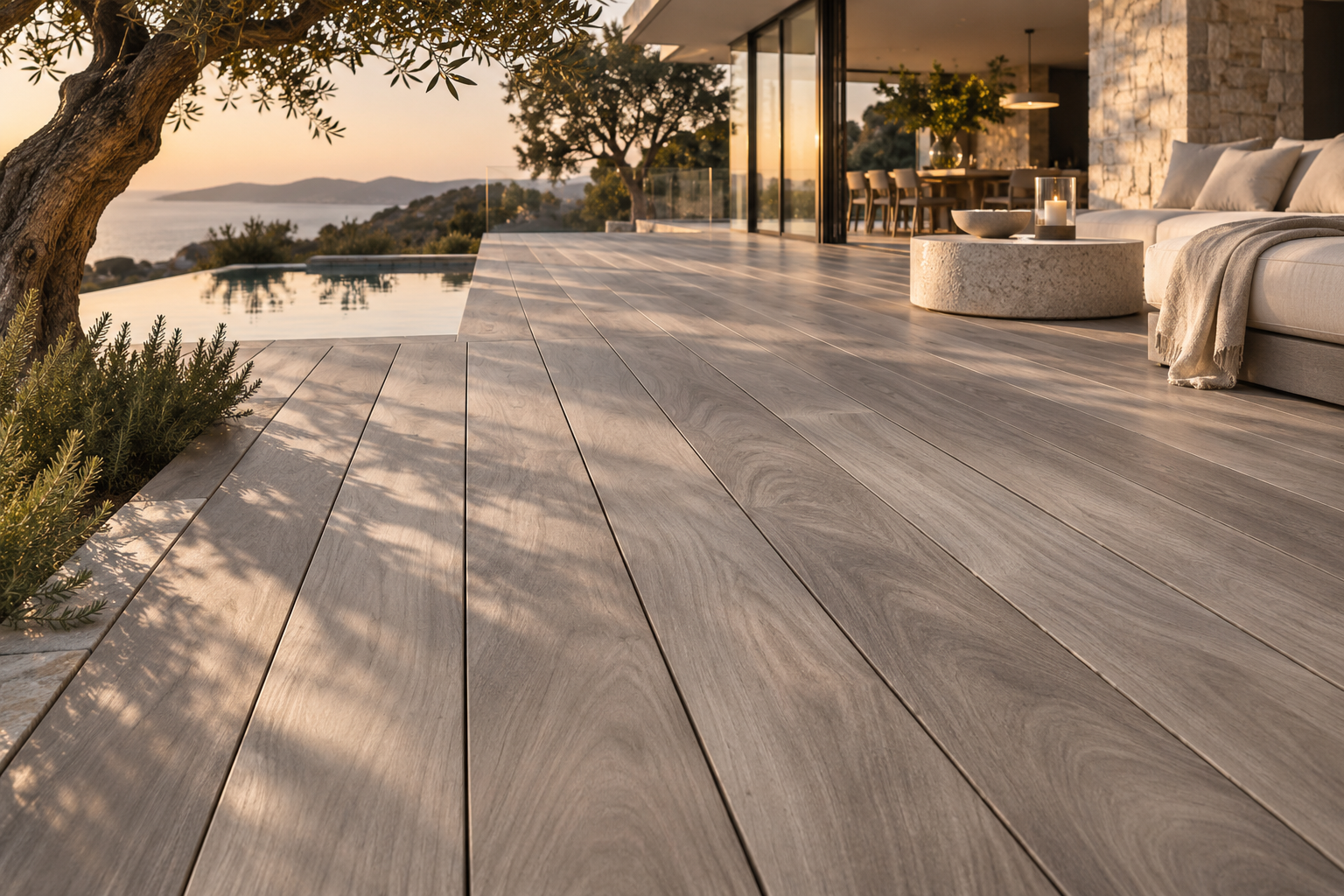
Vitex is another durable hardwood option, known for its lighter colouring and the soft silver-grey finish it can develop as it weathers.

It comes at a higher price point than treated pine but can be a good middle ground for homeowners looking for the durability and appearance of hardwood.
 

2. The Size of the Deck

Unsurprisingly, a larger deck requires more materials and labour. But doubling the size of a deck doesn’t always mean the final price will exactly double. Some costs associated with setting up the project, accessing the site and completing certain stages of construction may already be accounted for.

Instead of simply building the largest deck your section allows, think about how you actually plan to use the space. Do you need enough room for an outdoor dining table? A barbecue? Outdoor lounge furniture? Access between the house and garden? Planning around how the deck will be used can help you create a space that feels generous and functional without paying for unnecessary square metres.

3. Ground-Level vs Elevated Decks

The height of your deck can make a significant difference to the cost. A straightforward deck built close to ground level will generally be cheaper than an elevated deck requiring additional piles, framing, bracing, stairs and barriers.

An elevated deck may also require more design work and potentially building consent, adding further costs to the project. That doesn’t mean an elevated deck isn’t worthwhile. On sloping sections or homes where the main living areas sit above ground level, it can create valuable outdoor living space that wouldn’t otherwise exist.

4. Stairs, Balustrades and Other Features

The deck itself isn’t always where the budget ends. Depending on the design, you may also need or want:

  • Stairs
  • Balustrades
  • Handrails
  • Privacy screens
  • Built-in seating
  • Pergolas or overhead structures
  • Multiple deck levels

These details can make a deck significantly more functional and visually appealing, but they also require additional materials and labour. If you’re working within a set budget, decide which features are essential from the beginning and which could potentially be added later.

5. Site Access and Ground Conditions

Your property itself can also affect the price. A flat section with easy access is generally much simpler to work on than a steep site where materials need to be carried through the property or construction takes place on difficult ground.

Rocky soil, poor ground conditions, limited access and significant excavation can all increase the amount of work required before the decking boards even start going down. This is one reason online square-metre estimates should only ever be treated as a guide. A builder needs to understand the actual site before providing an accurate price.

6. Decking Hardware and Fixings

It’s also important to consider the smaller details, as the hardware and fixings used to connect and secure the deck can add significantly to the overall cost.

Stainless steel fixings are commonly used for decking, particularly in coastal environments where corrosion resistance is important. Depending on the deck’s design and structural requirements, hardware may include:

  • Stainless steel decking screws: Used to secure decking boards to the framing.
  • CPC40 brackets: May be required to connect boundary joists to other framing members, helping the structure resist lateral forces, particularly where balustrades are installed.
  • Bolts and structural fixings: Used for connections such as securing bearers to piles and other structural components.
  • Joist hangers and brackets: Used where additional support or secure connections are required within the deck framing.

While individual screws, bolts and brackets might seem like relatively small expenses, the quantities required across an entire deck can quickly add up. The type and grade of hardware required will depend on the deck’s design, location and structural requirements.

Do You Need Building Consent for a Deck in NZ?

Not every deck requires building consent. Under current New Zealand building rules, a deck generally does not require building consent where it is not possible to fall more than 1.5 metres, even if the deck were to collapse.

However, a safety barrier is required where there is a fall of 1 metre or more. Even where building consent isn’t required, the deck still needs to comply with the New Zealand Building Code. There may also be district planning requirements relating to matters such as site coverage, boundaries, setbacks or other restrictions, so it’s important to check the requirements for your particular property before construction begins.

If your proposed deck is more than 1.5 metres above the ground, building consent will generally be required.

So, How Much Does it Cost to Build A Deck?

For a professionally built deck in New Zealand, a broad starting point is approximately $350 – $900 per square metre, but there is no one-size-fits-all price. Premium materials, elevated construction, difficult access, stairs, balustrades and more complex designs can all push the cost higher.

Rather than focusing solely on the cheapest price per square metre, think about what you want the finished space to achieve. The right design can create a practical outdoor living area that works with your home, section and lifestyle for years to come.

Whether you’re considering a simple ground-level deck, replacing an existing outdoor area or planning a larger outdoor living project, Villaworx Construction can help you work through the design, materials and construction requirements to create a deck that suits your home and budget.