
Skip to content

What Different Cladding Options are There and What Might be Best for My Home?

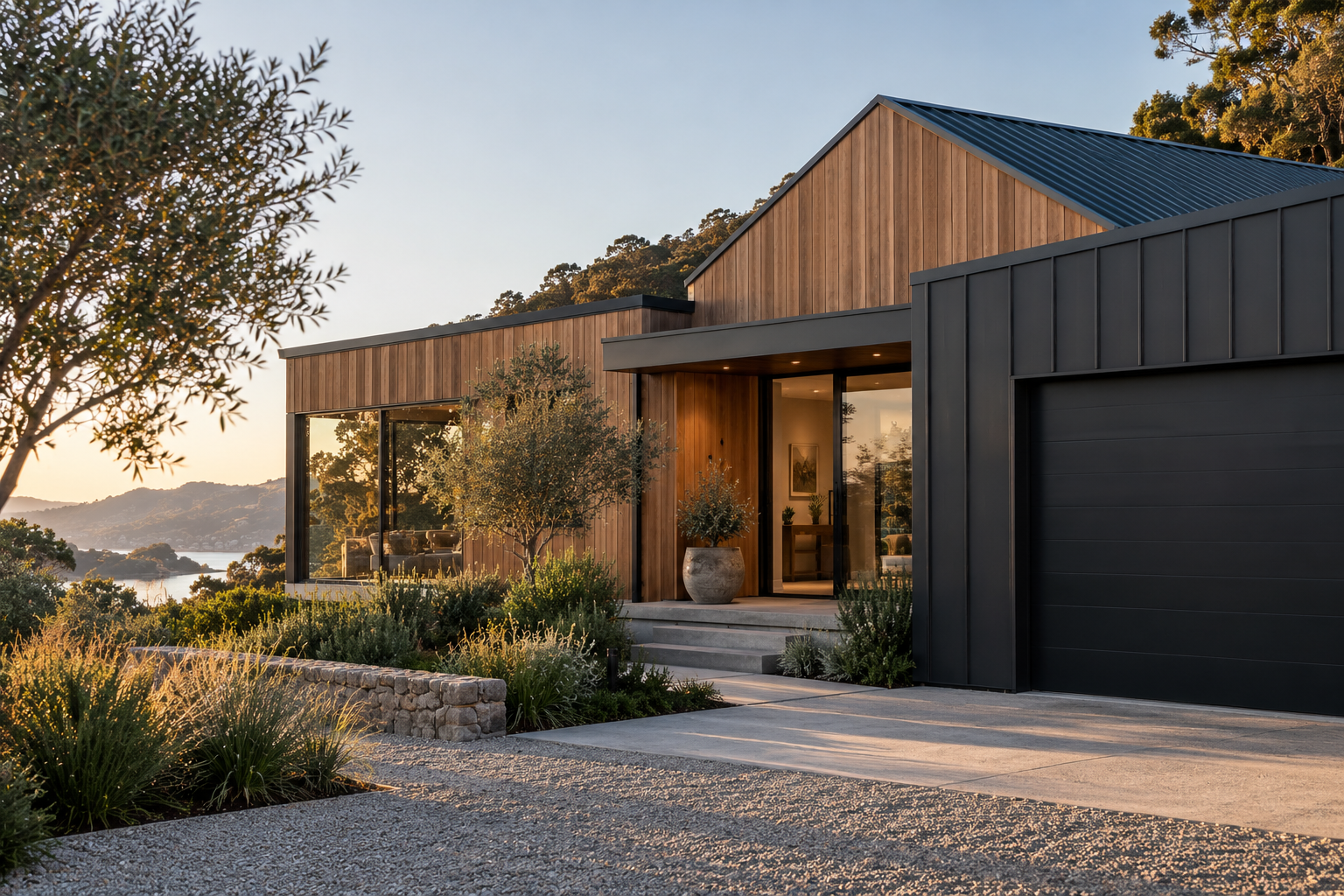
  • Timber cladding offers warmth and character, with options including cedar, shiplap and board and batten.
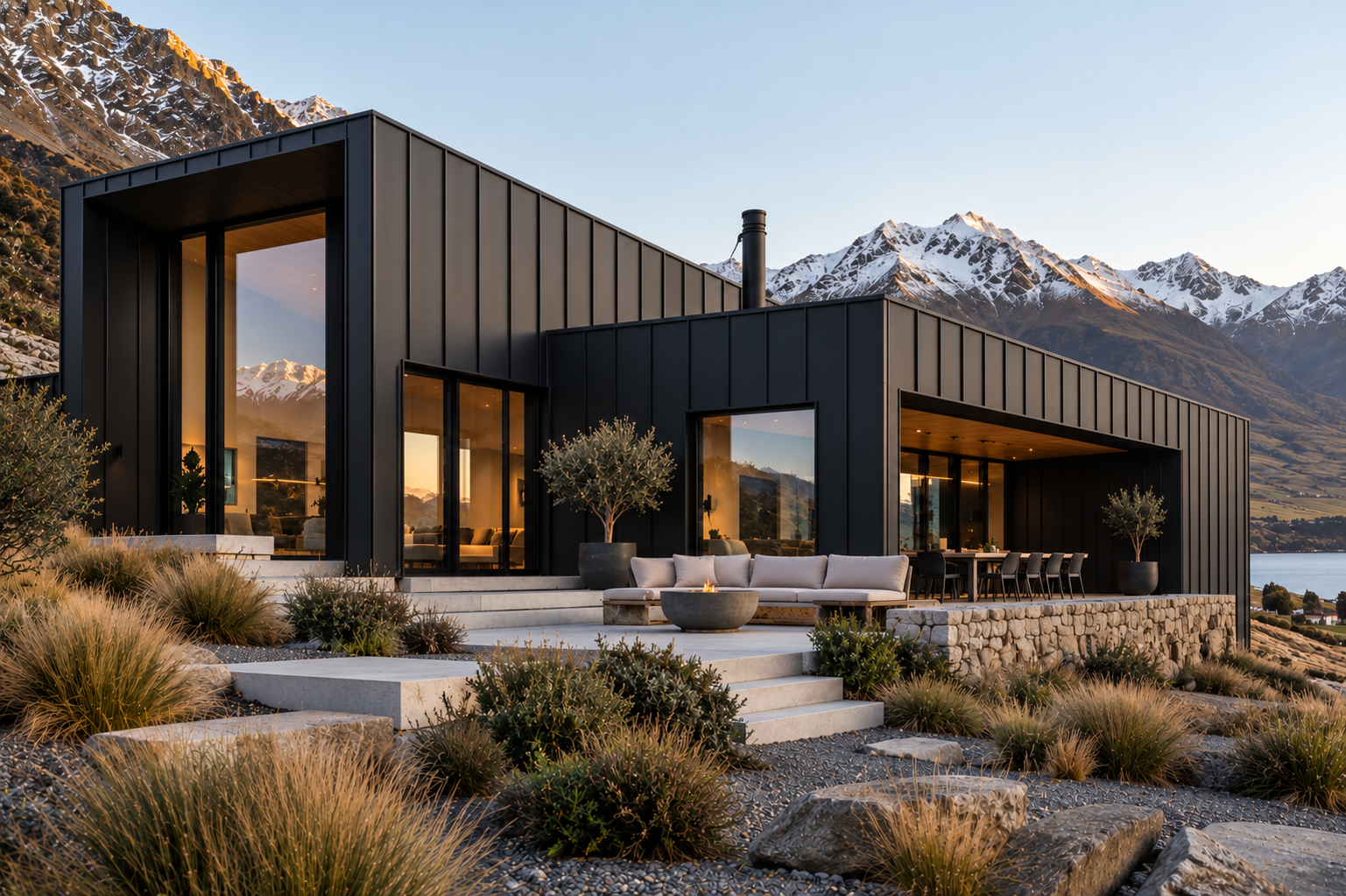
  • Metal cladding can create a sleek architectural finish, from traditional corrugated profiles to more contemporary systems.
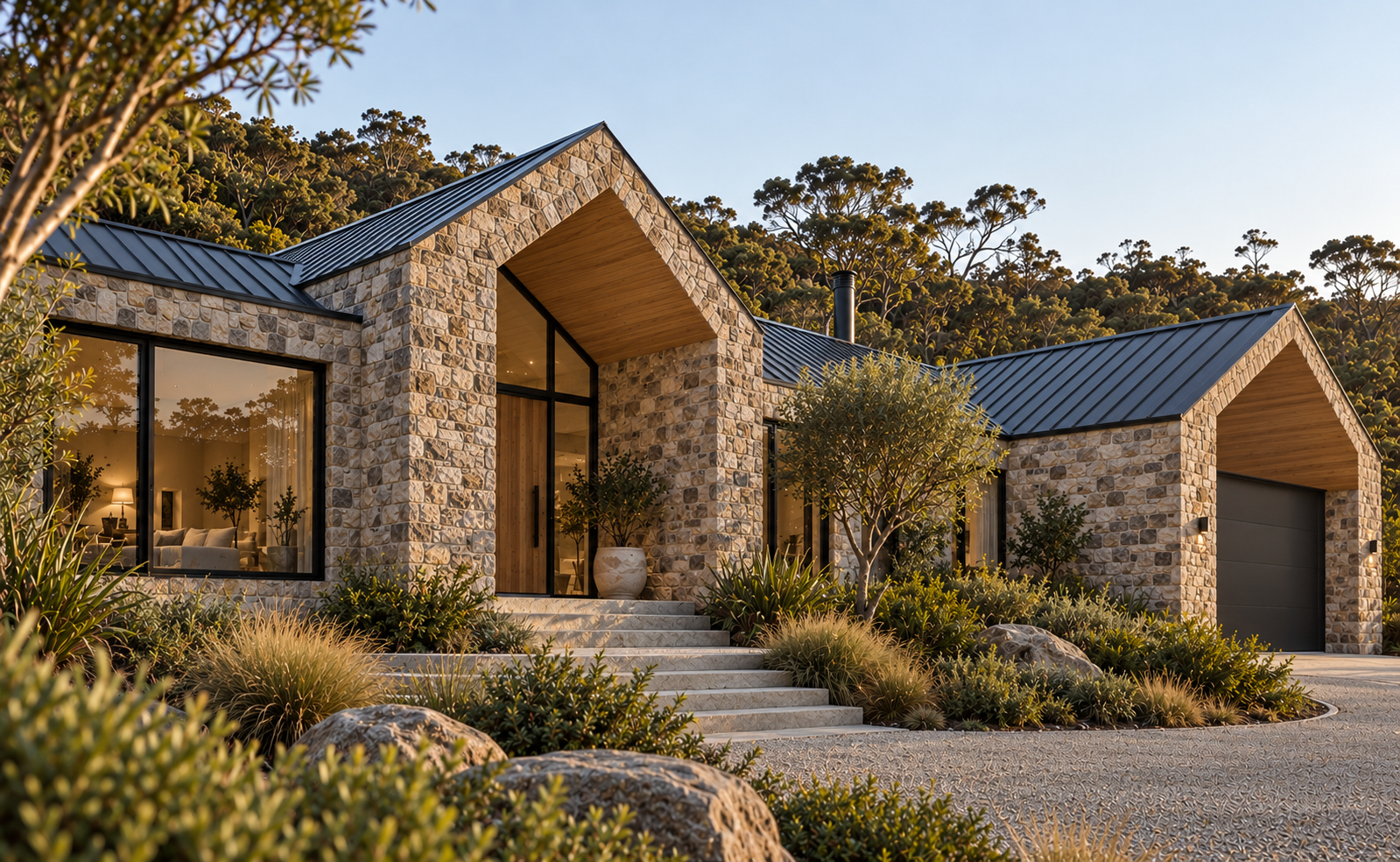
  • Brick, stone and masonry are worth considering when durability and longevity are priorities.
  • Your home’s location and exposure should influence the material, coating, fixings and cladding system you choose.
  • Combining premium and more cost-effective materials can help achieve a high-end exterior without overspending.

What Cladding Option Is Best for My Home?

Choosing cladding is about finding the right balance between how you want your home to look and how you need it to perform. New Zealand homes can be exposed to everything from salt-laden coastal air to alpine conditions, high rainfall, strong winds and intense UV. Your location therefore matters, but so do your budget, architectural style, maintenance expectations and how you want your home to age.

Rather than looking at every individual product available, it can be helpful to start with the main types of cladding and understand what each can offer.

1. Timber Cladding

Timber remains a popular choice for New Zealand homes, particularly when you’re looking for warmth, texture and a natural architectural finish.

There are several ways to achieve this look. Cedar is often chosen for its rich natural appearance, while shiplap weatherboards can create clean horizontal or vertical lines. Board and batten is another option for a stronger vertical profile, while traditional bevel-back weatherboards remain well suited to classic New Zealand architecture.

Timber can work beautifully as the primary cladding or as a feature alongside another material. The trade-off is maintenance. Depending on the timber and desired finish, staining, oiling or painting may be required over its lifetime.
2. Metal Cladding

Metal can suit everything from rural New Zealand architecture to sleek contemporary homes. Corrugated and profiled metal can be relatively simple and cost-effective while still creating a strong architectural finish when detailed well. More refined metal systems can achieve cleaner lines for homeowners wanting a minimalist, high-end exterior.

Metal is lightweight, durable and isn’t susceptible to rot or insect damage. However, the exact material and coating matter, particularly near the coast where corrosion needs to be considered. If you love the look of a modern architectural home, metal can also pair particularly well with timber, stone or masonry.
3. Brick, Stone & Masonry

For homeowners prioritising durability and longevity, brick, stone and other masonry options are worth considering.

Brick doesn’t have to mean a traditional red-brick home. Modern bricks are available in different dimensions, textures and colours, giving homeowners much more freedom to create a contemporary exterior. Brick also requires relatively little ongoing maintenance once installed.

Natural stone, including schist, can create a more premium finish and works particularly well when you want to introduce texture and a sense of permanence. Because of its cost and weight, it doesn’t necessarily need to cover the entire home. Using stone around an entrance, chimney or feature elevation can create significant visual impact with much less material.
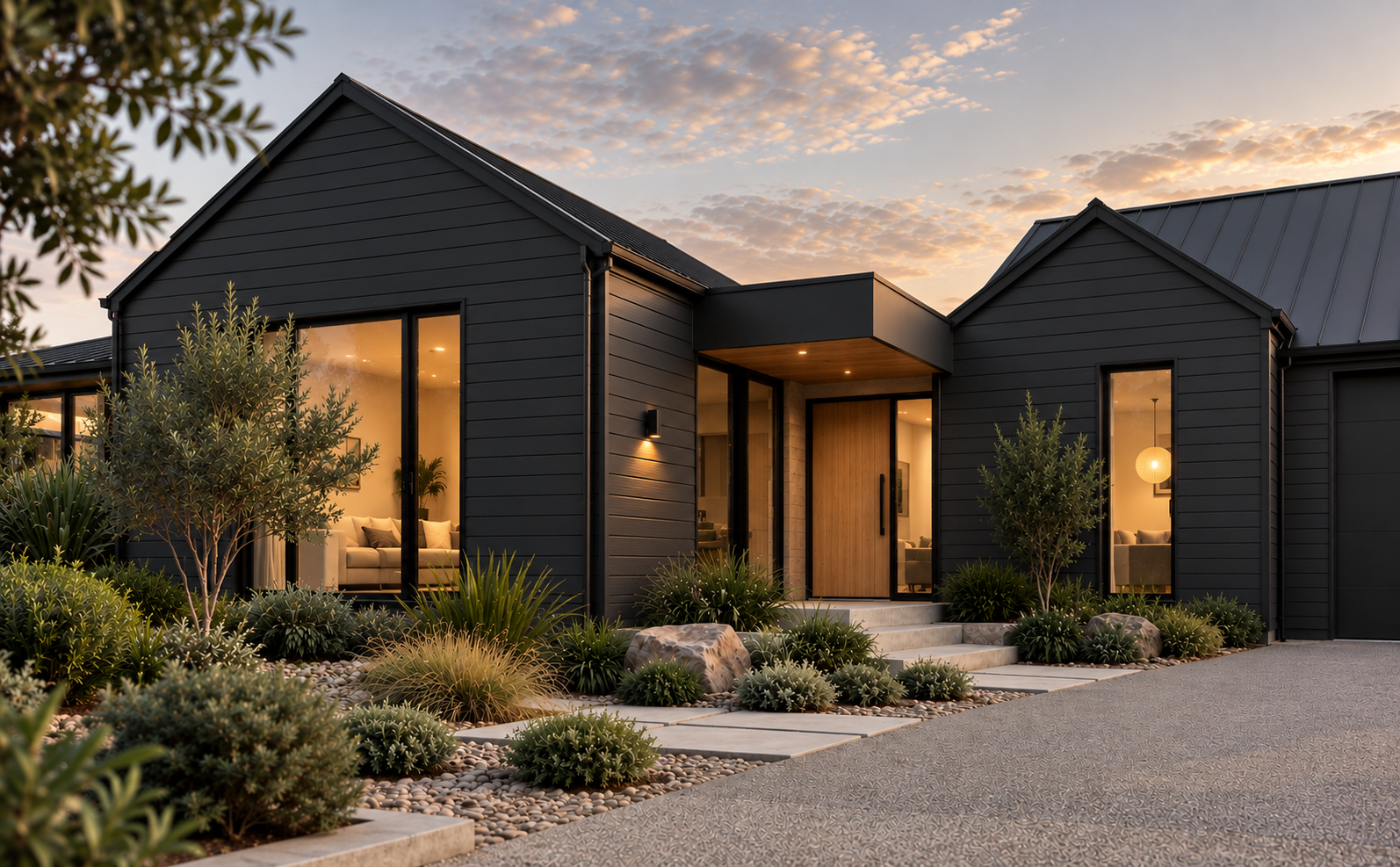
4. Manufactured & Alternative Cladding

There are also manufactured cladding systems that can recreate some of the appearance of traditional materials while offering different price points and maintenance requirements.

Fibre cement, for example, is available in sheets and weatherboard-style profiles and can provide a durable, relatively low-maintenance exterior. There are also composite, concrete and other architectural panel systems available depending on the design of the home.

These options can be particularly useful when you’re looking for clean lines or a contemporary finish without necessarily using premium natural materials throughout.
5. Which Cladding Works Best for Your Environment?

There isn’t one material that’s automatically best for every coastal, alpine or inland home. The conditions of the individual site still need to be considered.

Coastal homes need particular consideration around salt, moisture, wind and corrosion. Timber, masonry and metal may all be options, but the specific product, treatment, coating and fixings need to suit the property’s exposure.

Alpine and colder homes need to account for moisture, low temperatures, snow and changing weather conditions. Timber, metal, stone and masonry can all work beautifully, but cladding needs to form part of a well-designed weather-tight building envelope.

Inland and urban homes may have greater flexibility, allowing architectural style, budget and maintenance preferences to have more influence on the decision. Site-specific factors such as rainfall, wind and UV exposure should still be considered.

High-rainfall and exposed sites require particular attention to weather-tightness. Cavities, flashings, penetrations, junctions and fixings can be just as important as the visible cladding itself.

6. Achieving a High-End Look Within Your Budget

A premium exterior doesn’t mean using premium materials everywhere. If you love cedar or natural stone, consider using it around an entrance, outdoor living area or feature elevation, then pairing it with a more cost-effective cladding elsewhere.

It’s also worth considering long-term value alongside upfront cost. Some materials require more ongoing maintenance than others, so the most affordable option won’t necessarily offer the best value over time.

If you’re considering replacing your existing cladding and want to understand what you could expect to spend, read our guide: How Much Does It Cost to Re-Clad a House in NZ?

So, What Is the Best Cladding for Your Home?

Ultimately, the best cladding is the one that suits your home’s architecture, environment, budget and maintenance expectations. In many cases, combining materials thoughtfully can achieve the right balance between durability, practicality and the look you want.

At Villaworx Construction, we work alongside homeowners, architects and designers to select materials that make sense both aesthetically and practically. If you’re planning a new build, renovation or re-cladding project, get in touch to discuss the options for your home.